
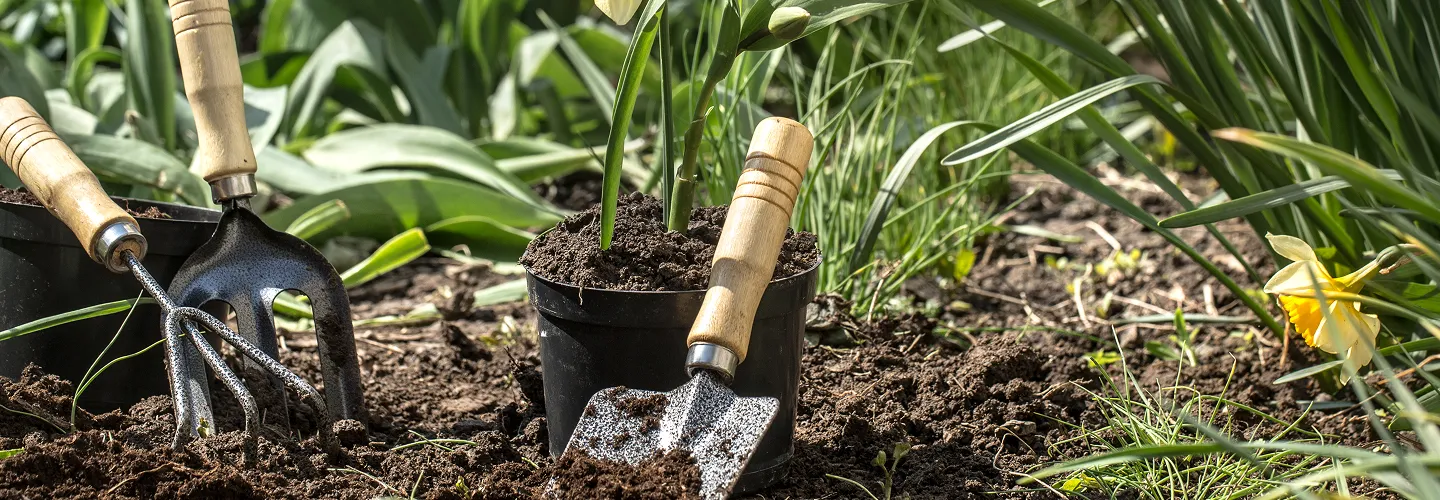
Hunt Lawn Grubs Control Services
With years of expertise and proven treatment methods, our lawn grubs control specialists eliminate destructive grubs at the root, restoring your turf to a lush, healthy state. Choose us for reliable, eco-friendly solutions backed by guaranteed results and exceptional customer care.
Our Hunt Landscaping & Yard Care Services
When to Schedule Lawn Grubs Control in Hunt, Texas – Seasonal Guide
In Hunt, Texas, the best time to schedule lawn grubs control is typically late spring through early summer, when grubs are most active near the soil surface. The unique climate of Hunt—with its warm, humid summers and mild winters—means that grubs can thrive in shaded lawns and areas with consistent moisture, such as those near the Guadalupe River or under the dense canopies in neighborhoods like Japonica Hills. Monitoring soil temperature and moisture levels is crucial, as grubs tend to hatch after the last frost and become most destructive before the peak of summer heat.
Local environmental factors play a significant role in determining the optimal treatment window. For example, properties with heavy shade from mature oaks or pecans, common in the River Bend area, may retain soil moisture longer, increasing grub risk. Conversely, open lawns in areas prone to drought or sandy soils may require different timing and treatment strategies. Always check for any municipal restrictions or guidelines, which can be found on the official Hunt community website, before scheduling your service.
Local Factors to Consider for Lawn Grubs Control in Hunt
- Tree density and shade coverage (e.g., mature oaks in River Bend)
- Soil type and drainage (clay vs. sandy soils)
- Proximity to water sources like the Guadalupe River
- Seasonal precipitation and drought risk
- Frost dates and soil temperature trends
- Municipal restrictions or local ordinances
Benefits of Lawn Grubs Control in Hunt
Healthier & Greener Lawn Year-Round
Prevent Costly Lawn Damage & Repairs
Eco-Friendly Grub Treatment Solutions
Expert Local Landscaping Professionals
Fast & Reliable Grub Removal Service
Long-Lasting Lawn Protection Guaranteed
Hunt Lawn Grubs Control Types

Preventive Grub Control
-
Curative Grub Treatment
-
Biological Grub Control
-
Chemical Grub Insecticides
-
Organic Nematode Application
-
Milky Spore Disease Treatment
-
Seasonal Lawn Monitoring
Our Lawn Grubs Control Process
Lawn Inspection
Grub Identification
Treatment Plan Development
Targeted Application
Post-Treatment Monitoring
Preventative Maintenance
Why Choose Hunt Landscape Services
Hunt Homeowners Trust Us
-
Years of Landscape Expertise
-
Competitive and Transparent Pricing
-
Licensed and Professional Team
-
Satisfaction Guarantee
-
Personalized Service Plans
-
Reliable and Timely Scheduling
-
Locally Owned and Operated
Coordinating Lawn Grubs Control with Kerr County Departments in Hunt
Hunt is an unincorporated community in Kerr County, meaning residents coordinate land management and environmental compliance through county-level departments rather than a municipal government. For lawn grubs control, property owners should be aware that any pesticide application near the Guadalupe River or its tributaries may affect water quality monitored by regional authorities. The Upper Guadalupe River Authority conducts laboratory testing that can help identify whether treatment runoff is reaching local waterways. Before initiating chemical grub treatments on properties adjacent to creeks or drainage channels, residents should verify current environmental health guidance through the county.
- Contact the Kerr County Environmental Health Department for guidance on pesticide use near water sources and public health regulations
- Consult the Upper Guadalupe River Authority for water quality testing information if your property borders the Guadalupe River or its feeder creeks
- Coordinate with the Kerr County Engineer's office when grub damage has led to erosion or drainage concerns on sloped lots
Kerr County Environmental Health Department
Kerrville, TX 78028
Official Website: Kerr County Environmental Health Department
Upper Guadalupe River Authority
Official Website: Upper Guadalupe River Authority Laboratory Information
How Hunt's Hill Country Limestone Soils Affect Lawn Grubs Control
Hunt sits squarely within the Central Texas Hill Country, classified under USDA Hardiness Zone 8b, where conditions create a distinct environment for grub activity and treatment. The region's limestone-derived, calcareous soils tend toward high alkalinity, often with shallow topsoil over fractite bedrock. These thin soil profiles can concentrate grub populations in the limited organic layer where turfgrass roots develop. Bermudagrass and buffalograss are the most common warm-season turf species in the area, and both are susceptible to damage from white grub larvae—particularly June beetle and masked chafer species documented by Texas A&M AgriLife Extension.
- Alkaline, shallow soils: Grub larvae concentrate in the narrow root zone above limestone, making damage more visible and rapid than in deeper soil profiles
- Summer aridity and heat: Temperatures regularly exceed 100°F, and irrigated lawns become the primary moisture source in the landscape, attracting egg-laying beetles to turf areas
- Rapid drainage on slopes: Hunt's hilly terrain causes treatment products to move quickly through thin soils, increasing the risk of runoff into the Guadalupe River and nearby creeks
- Irrigation dependence: Properties relying on well water or river-sourced irrigation must balance grub treatment watering-in requirements against water availability, especially during drought stages
Navigating Pesticide Regulations and Stormwater Compliance for Hunt Properties
All commercial applicators performing lawn grubs control in Hunt must hold a valid license issued under Texas Agriculture Code, Chapter 76, administered through the Texas Department of Agriculture's pesticide licensing program. Property owners applying products themselves are not required to hold a commercial license but remain responsible for following all label directions, which carry the force of federal law. Because Hunt lies within the Guadalupe River watershed, stormwater protections are particularly relevant. The TCEQ Phase II MS4 stormwater program establishes requirements for preventing pollutant discharge into waterways, and grub control products containing imidacloprid or chlorantraniliprole must not be allowed to enter creeks, drainage swales, or roadside ditches.
- Verify that any hired applicator holds a current Texas Department of Agriculture structural or commercial pesticide license
- Never apply granular or liquid grub treatments within buffer zones of creek banks or the Guadalupe River's edge
- Store and mix products away from drainage paths, wells, and impervious surfaces that channel runoff
- Confirm product label compliance with the Clean Water Act provisions regarding aquatic habitat protection
Kerr County Engineer
Kerrville, TX 78028
Official Website: Kerr County Engineer
Timing Lawn Grubs Control Around Hunt's Drought Cycles and Active Growth
Effective grub control in Hunt depends on aligning treatment with the biological cycle of target species and the region's climate patterns. According to AggieTurf guidance, preventive grub treatments in Central Texas are most effective when applied in late spring through early summer, before newly hatched larvae begin feeding on turf roots. Curative treatments targeting active larvae are generally applied in late summer through early fall when grubs are in the upper soil profile.
- Preventive applications: Apply products containing chlorantraniliprole or imidacloprid between May and mid-June, before peak egg hatch, and water in with approximately 0.5 inches of irrigation immediately after application
- Curative applications: If grub damage appears as irregular brown patches that lift easily from the soil, curative products such as trichlorfon may be applied in August through September when larvae are small and feeding near the surface
- Correct pest identification: Pull back damaged turf and inspect the top 2–3 inches of soil for C-shaped white larvae; confirm species before treating, as not all grub species cause economic damage to Hill Country turf
- Irrigation coordination: Water-in requirements for grub products must be balanced against any active drought-stage restrictions; verify current watering allowances through your water provider before scheduling treatment
- Avoid midday application: Apply products in early morning or evening to reduce volatilization in Hunt's extreme summer heat and to minimize exposure to pollinators actively foraging during daylight hours
What Neighborhoods Do We Serve Throughout Hunt, TX?
- Hunt proper along FM 1340: Properties along the main corridor feature a mix of older homesteads and river-adjacent lots with shallow, rocky soils that concentrate grub activity in irrigated turf areas
- Guadalupe River frontage properties: Lots bordering the river require careful pesticide management due to proximity to surface water, with steep slopes that accelerate runoff during treatment watering
- Ingram-Hunt corridor: Transitional properties between Hunt and Ingram often have larger lots with bermudagrass turf and well-water irrigation systems that influence treatment scheduling
- Mo Ranch area: This well-known retreat and surrounding residential properties sit on characteristic Hill Country terrain with mature live oaks, limestone outcrops, and limited topsoil depth affecting grub treatment penetration
- Upper Guadalupe River valley ranchettes: Larger acreage properties along the upper river valley feature mixed native and improved turf, where grub damage often appears first in irrigated zones surrounded by native rangeland