
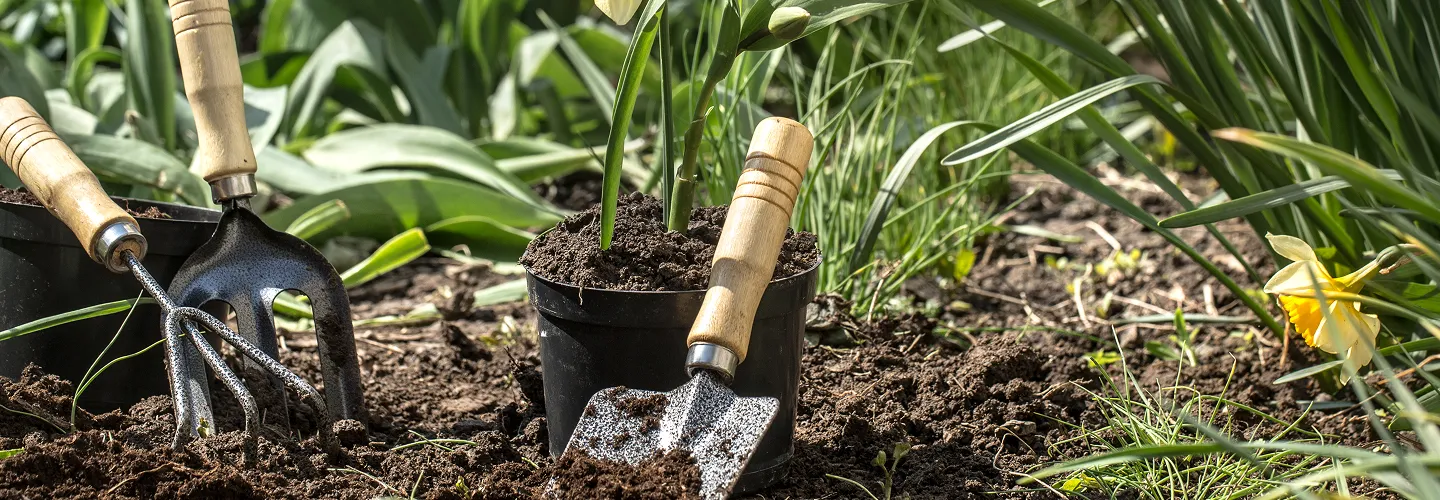
Hunt Green Waste Disposal Services
Choose Hunt Green Waste Disposal for reliable, environmentally responsible waste removal that keeps your property pristine and our planet healthy — backed by prompt service, competitive pricing, and a commitment to sustainable recycling practices you can trust.
Our Hunt Landscaping & Yard Care Services
When to Schedule Green Waste Disposal in Hunt, Texas – Seasonal Guide
In Hunt, Texas, the timing of green waste disposal is closely tied to the region’s unique climate and landscape. With mild winters and hot, humid summers, the optimal periods for scheduling green waste removal are typically late winter through early spring and again in late summer to early fall. These windows align with the area’s primary growth and pruning cycles, allowing residents in neighborhoods like River Bend and along the Guadalupe River to manage yard debris efficiently before peak vegetation periods or after major storms.
Local environmental factors play a significant role in determining the best disposal schedule. For example, Hunt’s proximity to the Edwards Plateau means soil can be rocky and drainage varies, impacting how quickly organic material decomposes. Frost dates, usually occurring in late November and early March, signal ideal times for pre- and post-winter cleanups. Additionally, the risk of drought during late summer months and the prevalence of shade from mature oaks in areas like Schumacher Crossing require tailored approaches to green waste management. For more information on local guidelines and resources, visit the Sudbury municipal site.
Local Factors to Consider for Green Waste Disposal in Hunt
- Tree density and types (live oaks, pecans, and cedar)
- Terrain and soil drainage (rocky hillsides vs. riverbanks)
- Seasonal precipitation and drought risk
- Frost dates and temperature fluctuations
- Shade coverage from mature trees
- Municipal restrictions and scheduled pickup dates
- Proximity to landmarks like the Guadalupe River or Schumacher Crossing
Benefits of Green Waste Disposal in Hunt

Eco-Friendly Yard Waste Removal
Fast & Reliable Green Debris Pickup
Licensed Landscaping Waste Experts
Affordable Green Waste Hauling Services
Safe Organic Waste Recycling Solutions
Professional Lawn & Garden Cleanup
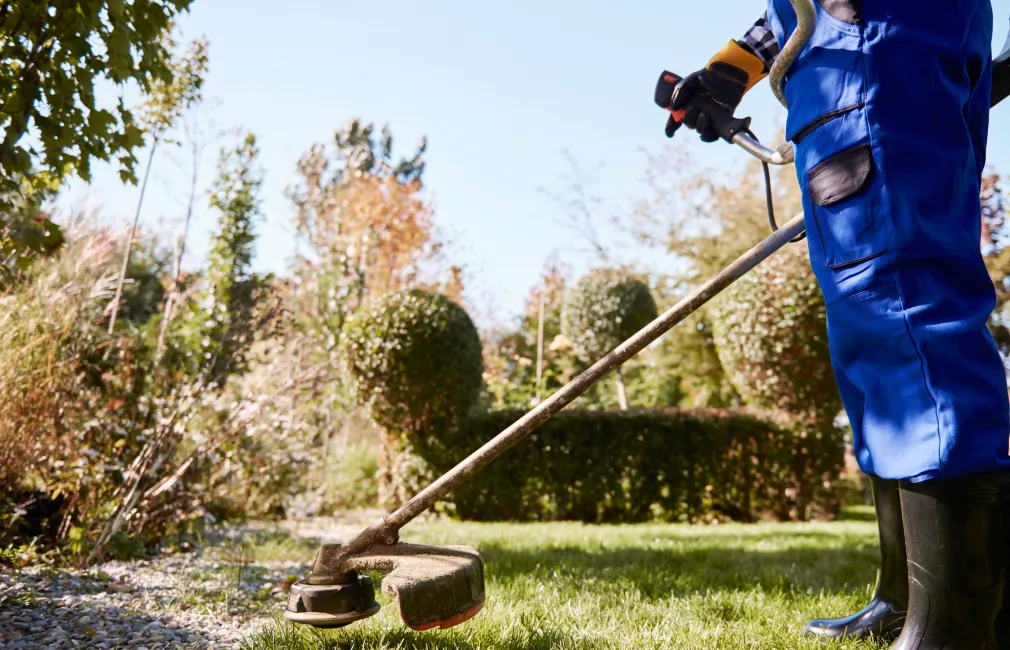
Hunt Green Waste Disposal Types

Yard Debris Removal
-
Tree Branch & Limb Disposal
-
Grass Clipping Collection
-
Leaf & Mulch Hauling
-
Stump & Root Waste Removal
-
Hedge & Shrub Trimmings Disposal
-
Garden Soil & Sod Waste Pickup
Our Green Waste Disposal Process
Waste Collection
Sorting & Separation
Composting & Recycling
Eco-Friendly Disposal
Site Cleanup
Why Choose Hunt Landscape Services
Hunt Homeowners Trust Us
-
Years of Landscape Expertise
-
Competitive and Transparent Pricing
-
Licensed and Professional Team
-
Satisfaction Guarantee
-
Personalized Service Plans
-
Reliable and Timely Scheduling
-
Locally Owned and Operated
Coordinating Green Waste Disposal Through Kerr County Services in Hunt
Hunt is an unincorporated community in Kerr County, which means residents and property managers coordinate green waste disposal through county-level departments rather than a municipal public works office. Kerr County oversees maintenance operations, environmental health compliance, and infrastructure standards that directly affect how organic debris is handled, transported, and disposed of across the Hunt area. Property owners should verify current accepted materials, container or bundling requirements, and any seasonal collection adjustments directly with county offices before staging green waste along roadways or rights-of-way.
- Accepted green waste typically includes grass clippings, leaves, tree trimmings, brush, and other organic yard debris—but specific bundling dimensions and container rules should be confirmed with the county
- Dumping green waste into creek channels, drainage ditches, or along the Guadalupe River corridor is prohibited under federal and state stormwater protections
- Commercial landscape operators generating large volumes of organic debris may face separate disposal routing requirements; verify current commercial rules through the county
Kerr County Maintenance Department
700 Main Street, Kerrville, TX 78028
Official Website: Kerr County Maintenance Department
Kerr County Environmental Health Department
700 Main Street, Kerrville, TX 78028
Official Website: Kerr County Environmental Health Department
How Hunt's Hill Country Terrain and Climate Shape Green Waste Disposal
Hunt sits squarely in the Central Texas Hill Country along the Guadalupe River, placing it in USDA Hardiness Zone 8b. The landscape is defined by limestone-derived soils, steep terrain, and a semi-arid climate punctuated by intense seasonal rainfall events. These conditions directly influence how green waste accumulates, decomposes, and must be managed.
- Limestone and calcareous soils drain rapidly on ridgetops but concentrate runoff in draws and low-water crossings, meaning improperly staged green waste piles can wash into waterways during flash-rain events
- Summer heat regularly exceeds 100°F, accelerating decomposition of piled organic material and increasing the risk of spontaneous combustion in dry brush piles left unattended on properties
- Ashe juniper (cedar), live oak, and Texas red oak dominate the native canopy, producing heavy seasonal leaf and bark litter that requires consistent disposal throughout the year—not just in autumn
- Flash flooding along the Guadalupe River and its tributaries can mobilize unsecured green waste piles, carrying debris downstream and creating blockages at low-water crossings and culverts
- Wildfire risk in the Hill Country makes timely brush and deadwood removal a safety priority, particularly during drought stages declared by the Texas Commission on Environmental Quality or county burn-ban periods
Navigating Environmental Regulations for Green Waste Disposal in Hunt, TX
Green waste disposal in the Hunt area falls under overlapping county, state, and federal regulatory frameworks. Because Hunt borders the Guadalupe River—a protected waterway monitored by the Upper Guadalupe River Authority—improper disposal of organic debris carries environmental compliance implications beyond routine yard maintenance.
- The Clean Water Act prohibits discharge of pollutants, including decomposing organic material, into waters of the United States; green waste left in or near creek channels, river banks, or drainage swales may constitute a violation
- Kerr County may enforce nuisance or environmental health standards related to accumulated yard debris, particularly when piles attract pests or create fire hazards; confirm current enforcement thresholds with the county
- Properties adjacent to the Guadalupe River or its tributaries should coordinate disposal practices with awareness of water quality monitoring conducted by the Upper Guadalupe River Authority
- Burn bans issued by Kerr County during drought conditions restrict open burning of brush and green waste; property owners must verify current burn-ban status before attempting on-site disposal through burning
Kerr County Engineer
700 Main Street, Kerrville, TX 78028
Official Website: Kerr County Engineer
For properties requiring tree-related guidance or forestry management assistance, the regional Texas A&M Forest Service Kerrville Office provides technical resources relevant to large-scale brush and timber debris handling.
Timing and Methods for Professional Green Waste Disposal in Hunt
Effective green waste disposal in the Hill Country requires attention to seasonal debris cycles, weather windows, and proper handling techniques that prevent environmental harm and fire risk.
- Spring (March–May): Heavy pollen drop from oaks and juniper, combined with new-growth pruning, generates peak green waste volumes; schedule removal before summer heat intensifies decomposition and fire risk
- Summer (June–August): Limit green waste staging time on-site to reduce spontaneous combustion risk; haul debris promptly rather than allowing dry brush piles to accumulate near structures or fencelines
- Fall (September–November): Live oak leaf exchange and pecan leaf drop produce sustained debris; bag or bundle leaves to prevent wind scatter into drainage channels
- Winter (December–February): Post-freeze deadwood removal from juniper and deciduous species should be completed before spring growth resumes; coordinate with county disposal options for larger limbs
Professional standards for green waste handling in Hunt include keeping all staged material at least 30 feet from structures when possible, separating woody brush from soft green material for efficient processing, and never pushing debris into creek beds, roadside ditches, or culvert openings. The Texas A&M AgriLife Extension provides additional guidance on composting organic yard waste on-site as an alternative to off-site disposal.
What Neighborhoods Do We Serve Throughout Hunt, TX?
- Hunt proper along FM 1340: Properties along the main corridor feature mature live oak and pecan canopies that generate consistent green waste requiring regular collection and disposal coordination
- Guadalupe River frontage properties: Riverside lots face strict environmental sensitivity for debris staging due to proximity to the waterway and flash-flood exposure during heavy rain events
- Crider Road and surrounding ranch properties: Larger acreage parcels with dense juniper and mixed hardwood cover produce substantial brush volumes that often require commercial-scale hauling
- Mo-Ranch area: Properties near this historic conference center sit on steep Hill Country terrain where slope and access constraints affect debris staging and removal logistics
- Ingram-Hunt corridor along TX-39: Transitional properties between Hunt and Ingram encounter mixed residential and rural lot conditions with varied green waste accumulation patterns
- Upper Guadalupe tributary properties: Parcels along smaller feeder creeks require careful debris management to prevent organic material from entering sensitive headwater drainage channels