
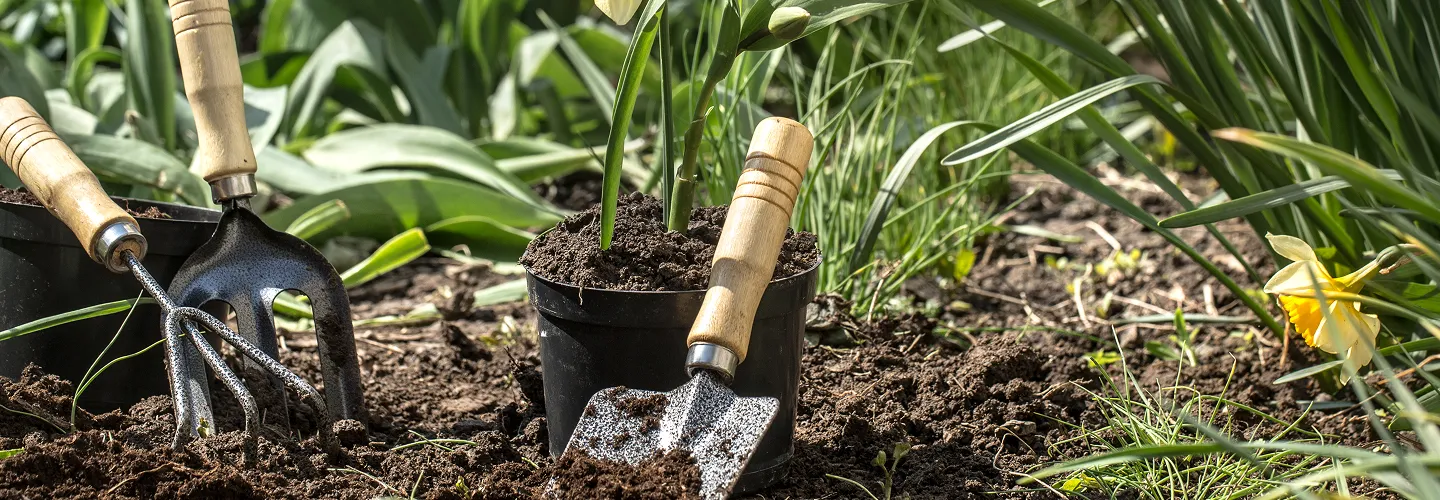
Hunt Sod Installation Services
With years of expertise and a commitment to quality, our sod installation team delivers beautifully green, healthy lawns that instantly transform your property — backed by reliable service, competitive pricing, and results you can trust from the very first day.
Our Hunt Landscaping & Yard Care Services
When to Schedule Sod Installation in Hunt, Texas – Seasonal Guide
In Hunt, Texas, timing your sod installation is crucial for achieving a lush, resilient lawn that thrives year-round. The best periods for sod installation are typically late spring and early fall, when temperatures are moderate and rainfall is more predictable. These windows allow new sod to establish strong roots before the intense summer heat or potential winter frosts arrive. Hunt’s unique climate—marked by warm, humid summers and mild winters—means that soil moisture and temperature play a significant role in sod success. Neighborhoods near the Guadalupe River or around Schumacher Crossing often experience higher humidity and occasional morning fog, which can benefit sod establishment but also require careful monitoring for fungal issues. Local soil types, ranging from rocky limestone to sandy loam, influence drainage and root development, making it important to assess your property’s specific conditions before scheduling installation.
When planning your project, consider local environmental factors such as average frost dates, which in Hunt typically occur in late November and early March. Drought risk is another key consideration, especially during the hotter months when municipal water restrictions may be in effect. Properties with dense shade from mature oaks or pecans, like those found near the Hunt Store or along FM 1340, may require shade-tolerant sod varieties and adjusted installation timing. For more information on local regulations and best practices, consult resources like the Sudbury municipal website.
Local Factors to Consider for Sod Installation in Hunt
- Tree density and shade coverage (especially near riverfront properties)
- Terrain and soil type (rocky vs. sandy areas)
- Seasonal precipitation patterns and drought risk
- Average frost dates and temperature fluctuations
- Municipal watering restrictions and guidelines
- Proximity to landmarks such as the Guadalupe River or Schumacher Crossing
Benefits of Sod Installation in Hunt
Instant Lush Green Lawn
Professional Sod Installation Experts
Improved Curb Appeal & Property Value
Erosion Control & Soil Protection
Low Maintenance Landscaping Solutions
Year-Round Sod Installation Services
Hunt Sod Installation Types

Bermuda Grass Sod
-
Fescue Grass Sod
-
Zoysia Grass Sod
-
St. Augustine Grass Sod
-
Kentucky Bluegrass Sod
-
Buffalo Grass Sod
-
Centipede Grass Sod
Our Sod Installation Process
Site Evaluation
Soil Preparation
Grading & Leveling
Sod Laying
Seam Rolling & Pressing
Initial Watering
Why Choose Hunt Landscape Services
Hunt Homeowners Trust Us
-
Years of Landscape Expertise
-
Competitive and Transparent Pricing
-
Licensed and Professional Team
-
Satisfaction Guarantee
-
Personalized Service Plans
-
Reliable and Timely Scheduling
-
Locally Owned and Operated
Coordinating Sod Installation Projects with Kerr County Departments in Hunt
Hunt is an unincorporated community in Kerr County, which means residents coordinate land-use and site-work matters through county-level departments rather than a municipal government. Before beginning a sod installation project, property owners should verify whether grading, drainage modifications, or work near county rights-of-way triggers review by the Kerr County Engineer's office. Projects that alter existing drainage patterns or involve earthwork on slopes adjacent to the Guadalupe River or its tributaries may require coordination to ensure stormwater flow is not redirected onto neighboring parcels or into sensitive waterways. The Upper Guadalupe River Authority monitors water quality in the region and can provide guidance on protecting riparian zones during site preparation.
- Confirm whether subgrade grading near county roads or drainage easements requires engineering review
- Coordinate with the county engineer on any work that modifies stormwater flow paths
- Contact the environmental health department for questions about soil disturbance near wells or septic systems
Kerr County Engineer
700 Main Street, Kerrville, TX 78028
Official Website: Kerr County Engineer
Kerr County Environmental Health Department
700 Main Street, Kerrville, TX 78028
Official Website: Kerr County Environmental Health Department
How Hunt's Hill Country Limestone Soils Affect Sod Installation Success
Hunt sits in the Central Texas Hill Country, classified within USDA Hardiness Zone 8b, where conditions present distinct challenges for sod establishment. The region's soils are predominantly shallow, limestone-derived, and alkaline, often with exposed caliche layers or thin topsoil over fractite bedrock. These calcareous soils drain rapidly in some areas but can also form hardpan layers that resist root penetration. Property owners should anticipate the following site conditions:
- Alkaline pH: Soil pH commonly ranges above 7.5, which can limit iron and nutrient availability for certain turf species; bermudagrass and buffalograss tolerate these conditions well, while St. Augustinegrass may require iron supplementation
- Shallow bedrock: Limestone outcrops and thin soil profiles may necessitate importing topsoil or amended fill to achieve adequate rooting depth for sod
- Aridity and heat: Summer temperatures regularly exceed 100°F, and annual rainfall averages roughly 30 inches with significant variability; extended dry periods demand reliable irrigation during sod establishment
- Slope and runoff: The hilly terrain around Hunt accelerates surface runoff, making erosion control during subgrade preparation critical, especially on lots near the Guadalupe River or Johnson Creek
The USDA Web Soil Survey provides parcel-level soil data that can help determine depth to bedrock and drainage characteristics before installation begins.
Navigating Environmental Compliance and Stormwater Rules for Sod Installation in Hunt
Although Hunt lacks a municipal permitting office, sod installation projects must still comply with state and federal environmental standards. The Texas Commission on Environmental Quality (TCEQ) Phase II MS4 program establishes stormwater management expectations that apply broadly across Texas, and any project involving significant land disturbance should incorporate sediment and erosion controls consistent with Clean Water Act principles.
- Exposed subgrade soil must be stabilized promptly to prevent sediment from entering the Guadalupe River, Johnson Creek, or roadside drainage channels
- Fertilizers applied during sod establishment should be kept away from waterways; the Texas Agriculture Code, Chapter 63 governs commercial fertilizer standards in the state
- Any pesticide or herbicide application during site preparation requires compliance with Texas Department of Agriculture pesticide licensing requirements
- Properties with septic systems should verify setback distances with the Kerr County Environmental Health Department before grading or irrigating newly installed sod
Upper Guadalupe River Authority
125 Lehmann Drive, Suite 100, Kerrville, TX 78028
Official Website: Upper Guadalupe River Authority
Timing Sod Installation Around Hunt's Drought Cycles and Seasonal Heat
Professional sod installation in the Hill Country requires careful alignment with seasonal conditions to maximize turf survival and minimize water waste. The Texas A&M AgriLife Extension recommends installing warm-season sod during active growth periods when root establishment is most vigorous.
- Optimal installation window: Late April through mid-June offers warm soil temperatures and typically precedes the most intense summer heat; early fall (September through mid-October) provides a secondary window before freeze risk increases
- Subgrade preparation: Remove all existing vegetation, grade the surface to direct runoff away from structures, and amend shallow limestone soils with a minimum of four to six inches of quality topsoil where bedrock is near the surface
- Irrigation uniformity: Newly laid sod requires consistent moisture across the entire surface; uneven coverage on sloped Hill Country lots leads to dry edges and failed seams, so irrigation audits before installation are essential
- Rooting establishment: Avoid foot traffic and mowing for at least two to three weeks; turf should resist a gentle tug before the first mow, indicating adequate root anchoring
- Turf selection: Bermudagrass and zoysiagrass perform well in Hunt's full-sun exposures, while shade-tolerant St. Augustinegrass varieties may suit properties with significant live oak canopy; AggieTurf provides cultivar-specific performance data for Texas conditions
Watering restrictions may vary by utility provider and drought stage; property owners should verify current irrigation allowances before scheduling installation.
What Neighborhoods Do We Serve Throughout Hunt, TX?
- Hunt proper along FM 1340: Properties along the main corridor feature varied lot sizes with direct access to the Guadalupe River, requiring careful attention to riparian setbacks and slope stabilization during sod installation
- Mo-Ranch vicinity: Larger estate-style parcels in this area often have significant live oak canopy and limestone terrain, necessitating shade-tolerant turf selection and imported topsoil for adequate rooting depth
- Crider's on the Guadalupe area: Riverside properties here face seasonal flooding potential and high water tables that influence subgrade drainage planning and irrigation scheduling
- Ingram-Hunt corridor along Highway 39: Transitional lots between Hunt and Ingram may have newer construction with compacted subdivision fill soils that require thorough aeration and amendment before sod placement
- Upper Johnson Creek properties: Hillside parcels along Johnson Creek tributaries present steep grades and thin soils, demanding erosion-control measures and terraced installation approaches for long-term sod stability